Sugar Dating Etiquette: First Meetings That Go Well
The small details that separate a polished first meeting from an awkward one - venue, conversation, gifts, and the safety basics every adult arrangement deserves.
Why the First Meeting Sets the Tone
A first meeting in sugar dating is not a job interview, and it is not a date in the conventional sense. It is a calibration - two adults reading the room, testing the chemistry they hoped a profile and a few messages had promised, and deciding within ninety minutes whether anything that follows is worth the time. The etiquette that governs those ninety minutes is older than the platform you met on. It belongs to dining rooms, members' clubs, and quiet hotel lobbies that have hosted these conversations for a century.
The good news for newcomers: the rules are not complicated. They are simply unforgiving. A late arrival, a wrong venue choice, a question asked too soon - any of those can end an arrangement before it begins. The rest of this guide walks through the manners that consistently produce second meetings, drawn from premium platform behavior data, etiquette frameworks like the Nichols protocol, and the lived experience of long-term members.
First impressions in sugar dating are not about charm. They are about competence - the quiet competence of someone who has done this before, or read enough to act like it.
Choosing the Right Venue for a First Meeting
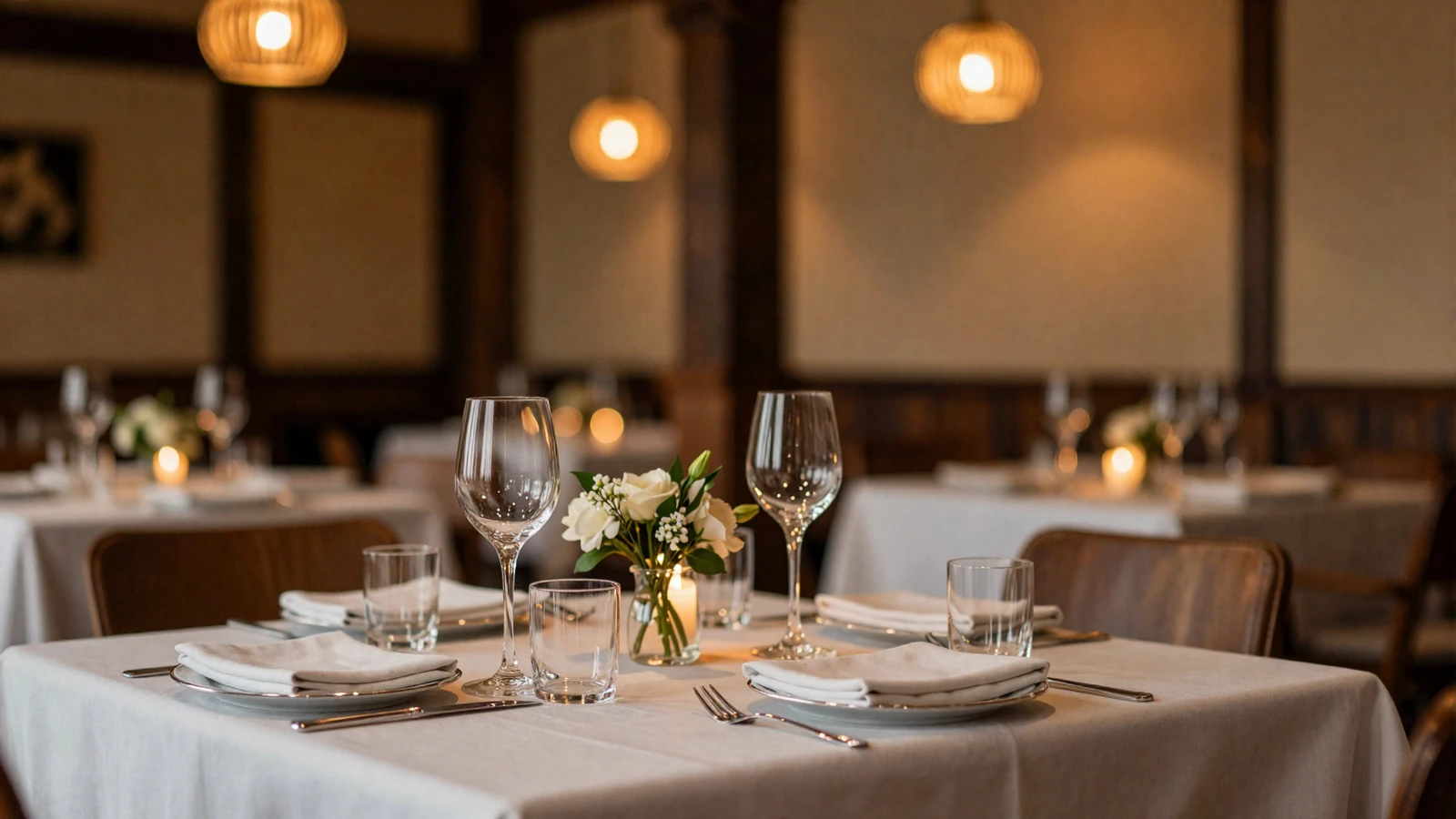
The right venue for a first sugar dating meeting is upscale, public, well-lit, and easy to leave. Hotel lobby bars at four- and five-star properties are the canonical choice - staff are discreet, ambient noise allows real conversation, and the space signals respect without committing either party to dinner. Coffee in a respected café works for a daytime introduction. A reservation at a destination restaurant is a strong signal for the second meeting, rarely the first.
The Nichols etiquette framework is unambiguous on this point: first meetings happen over coffee or a meal in a public place, never at a private residence, and never with alcohol as the centerpiece. As the beginner's guide explains, public venues exist to protect both parties - and the men who suggest otherwise on a first meeting are quietly telling you who they are.
What to look for in a venue
- Upscale and public. Hotel bars at The Plaza, The Beverly Hills Hotel, the St. Regis, the Four Seasons - venues where the staff have seen this before and the room is calm.
- Easy to leave. Ground-floor exits, visible streets, accessible rideshare pickup. Comfort comes from knowing you can step out without ceremony.
- Quiet enough for conversation. If you need to shout, the room is wrong.
- Neutral for both parties. Not his hotel suite. Not her apartment. A third place that belongs to neither of you.
For city-specific recommendations, the local guides for New York, Los Angeles, and Miami list specific lobby bars and restaurants long-term members return to for first meetings.
Conversation Topics That Build Mutual Interest
Successful first conversations follow a predictable arc: a few minutes of comfortable small talk, a deliberate transition into the arrangement itself, then a return to lighter ground once the practical questions have been answered. The Nichols protocol recommends a single direct question early - "Have you ever had an arrangement before, and what was it?" - followed by a clear statement of your own expectations. Established men, in particular, appreciate the businesslike framing.
Topics that work
- Travel. Recent trips, dream destinations, the city you'd return to tomorrow.
- Work, lightly. What you do, what you enjoy about it - not the org chart.
- Lifestyle interests. Wine, art, fitness, fashion, the restaurants you order from twice a week.
- Expectations of the arrangement. Once, clearly, before the second drink.
- What you each enjoy outside of work. The real question - what does a good week look like.
Topics to leave at the door
- Past relationships. Especially the ones that ended badly.
- Family conflict, health issues, financial stress. Not first-meeting material.
- Specific dollar amounts shouted across a crowded bar - handled discreetly, in writing or in a quiet moment.
- Politics, religion, and the news cycle. Unless you both opened with it.
- Your other matches. Ever.
The point is not to perform a personality. It is to give the person across the table enough real information to decide whether a second meeting makes sense - and to ask enough to make that decision yourself.
Gifts, Gestures and the Question of Expectations
Gifts at a first meeting are optional and almost never necessary. The exception is a small, thoughtful gesture - flowers waiting at the table, a single book referenced in earlier messages, a bottle of wine sent over from the bar. The signal is attentiveness, not extravagance. Anything more lavish on a first meeting tends to read as a transaction rather than a courtesy.
On sugar daddy expectations
Established men on premium platforms expect to be generous. They do not expect to be hustled. The cleanest framing for a first meeting: he covers the bill, you arrive on time and dressed for the venue, and any allowance conversation happens privately - typically by message after the meeting, or quietly mid-meeting once chemistry is clear. Industry data places typical monthly allowances between $2,500 and $5,000, but the right number is whatever you both agree to without theater.
The honest version of this: how money is discussed at a first meeting is the single biggest tell of whether an arrangement will work. Members who can talk about it calmly, briefly, and without flinching tend to build arrangements that last. The ones who can't, don't. Building a real connection over months is what turns a transactional intro into something both parties want to keep.
What to Avoid on a First Sugar Date
A short list of the patterns that quietly end arrangements before they start. None of these are dealbreakers in isolation. All of them are dealbreakers in combination.
-
01
Arriving late without a message. Five minutes is forgiven if you say so. Twenty minutes of silence is not.
-
02
Drinking past two. The Nichols protocol allows zero. Two is the practical ceiling. Three reads as a warning sign to anyone paying attention.
-
03
Phone on the table. Face down at minimum. In the bag is better. Glancing at it mid-sentence is the fastest way to end an arrangement that hadn't started yet.
-
04
Negotiating the allowance loudly. The amount belongs in a private exchange, not in a crowded bar where the next table is listening.
-
05
Pushing for a private location. First meetings are public. The person who suggests otherwise is showing you their priorities.
-
06
Asking for money before the meeting. No legitimate first meeting requires a transfer in advance. Ever.
Safety Basics Every First Meeting Should Cover
A four-step checklist drawn from the Sugar Daddy US safety framework - non-negotiable for both parties, regardless of how the messages have gone.
-
01STEP 01
Brief a Trusted Contact
Share the name, the platform handle, the venue address, and the planned end time with a friend or family member. Agree on a check-in time mid-meeting and a quiet exit code if you need to leave early.
-
02STEP 02
Meet Only in a Public Venue
Hotel lobby bars, established restaurants, or upscale cafés in central districts of New York, Miami, LA, Chicago, Dallas, or Atlanta. Never a private residence on a first meeting. Never a hotel room. The venue is the safety net.
-
03STEP 03
Arrange Your Own Transport
Take your own Uber or Lyft both ways. Do not accept a ride from someone you have not met before. Independent transport keeps the decision to extend the evening - or end it - entirely yours.
-
04STEP 04
Limit Alcohol to Two Drinks Maximum
Two drinks is the working ceiling. Anything more compromises your judgment and your safety. Refusing a third is not rude - it is the single most experienced thing you can do at a first meeting.
First Meeting Etiquette: Reader Questions
Direct answers to the questions members ask most before a first sugar dating meeting.
How much does a sugar daddy usually pay?
Arrangements vary widely and are negotiated directly between members. Industry data places typical monthly allowances between $2,500 and $5,000, with experience-based dates (dinners, travel, events) ranging from $300 to $800 per occasion. First meetings themselves rarely involve a direct payment - the conversation about an allowance typically happens privately after, or quietly mid-meeting once chemistry is clear.
What is the 3 3 3 rule for dating?
The 3-3-3 rule is a paced-introduction framework popular in modern dating: three messages exchanged before swapping contact details, three phone or video calls before meeting in person, and three in-person meetings before deciding whether the relationship has long-term potential. In sugar dating it adapts well - it gives both parties enough signal to filter mismatches without dragging out the early stages.
Should the sugar daddy always pay the bill on a first meeting?
Yes. The established convention on premium platforms is that the sugar daddy covers the bill at a first meeting, regardless of where the arrangement goes from there. Offering to split is appreciated as a gesture and politely declined. The bill is the easiest, quietest signal of generosity at this stage.
What should I wear to a first sugar dating meeting?
Dress for the venue, one notch up. For a five-star hotel lobby bar, women typically wear a tailored dress or refined separates; men wear a blazer, open-collar shirt, and dress shoes. The signal is "I take this seriously without trying too hard." Avoid anything that would feel out of place at a business dinner at the same venue.
How long should a first meeting last?
Sixty to ninety minutes is the standard. Long enough to read the chemistry, short enough to leave gracefully if it is not there. Extending to dinner is a strong signal of mutual interest - but it should happen naturally, not as a default expectation set in advance.
How do I politely end the meeting if there is no chemistry?
After about an hour, thank them sincerely for their time, mention that you do not feel the chemistry is quite right, wish them well, and leave. No long explanations. No follow-up message later that night. Established members on both sides respect this far more than a polite ghost.
Continue Reading
Three next steps for members building the habits behind a long-term arrangement.